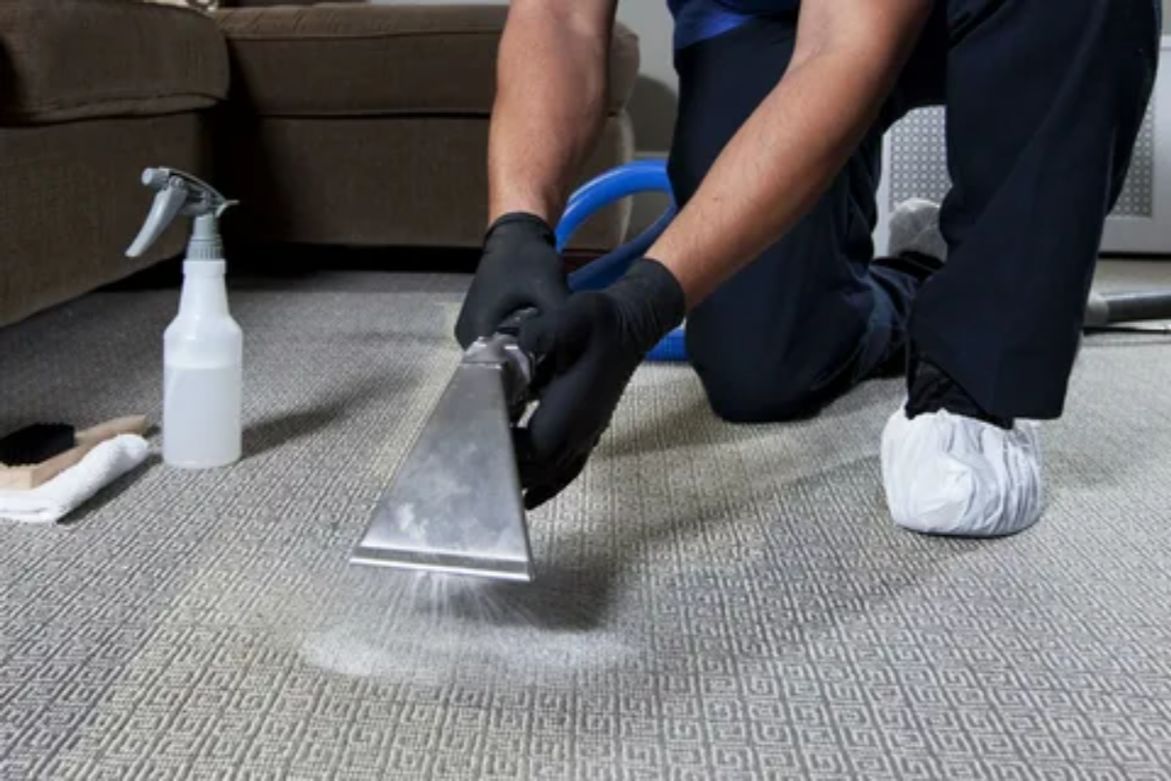
Have you ever had soggy carpets while cleaning them on humid days? If yes, then you have selected the right place. Humidity makes carpets stay wet for a longer time. The air is humid as it is, and thus, moisture from your carpet has nowhere to escape. This hampers the drying process and can give rise to other problems if not fixed early.
Two popular remedies are employing a Dehumidifier vs Professional Drying services. Both are effective, yet differently. A dehumidifier extracts moisture from the air, while technicians utilize commercial-grade machines that extract water from within the carpets. Complete drying of the living room carpet is very important because a wet carpet causes a pungent smell and some health issues. You can help save yourself and the carpet by doing it the correct way.
In this blog, you’ll find all the best carpet cleaning methods for humid weather. For further details, you have to be in touch with us! Let’s dig a little deeper!
Why Carpet Drying Matters in Humid Weather?
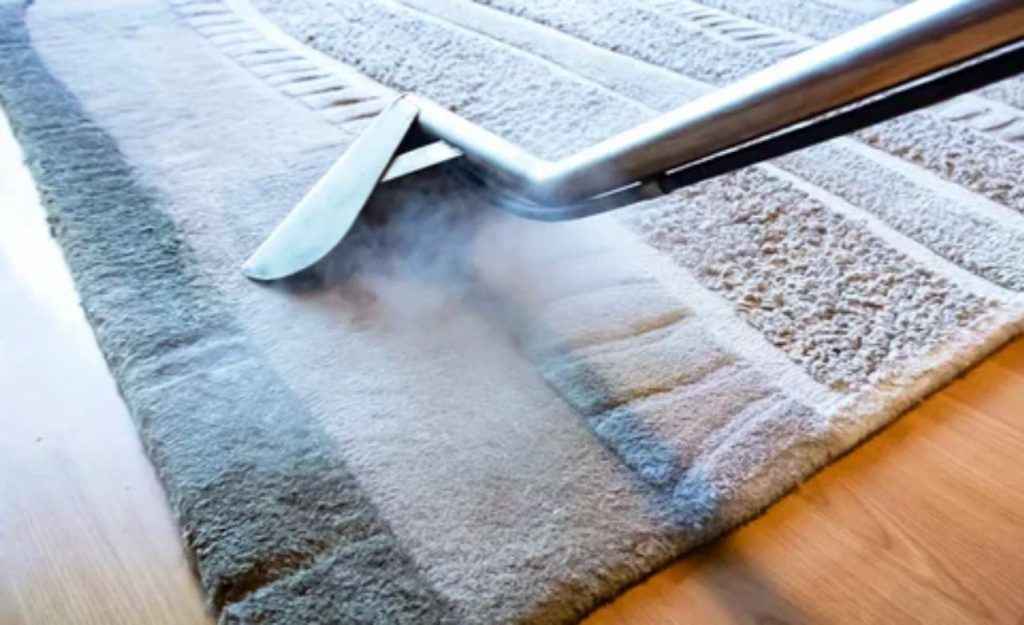
Not only are wet carpets uncomfortable. Wet carpets are a serious problem because they cause fungal growth. Bacteria can also soak into carpet fibres that are wet, and it is very harmful for you, especially for asthma patients. Humidity makes things harmful. When the atmosphere is moist and humid, carpets take extra time to dry. The water doesn’t evaporate quickly, and the carpet remains soggy for hours or even days. That’s why choosing the best Dehumidifier vs Professional Drying is essential. It saves the fabric of the carpet, prevents damage to the underlay, and keeps your house fresh and clean. When drying is done properly, you get wall-to-wall carpet that is neat and clean.
Let’s explore more!
What Does a Dehumidifier Do After Carpet Cleaning?
How Dehumidifiers Work?
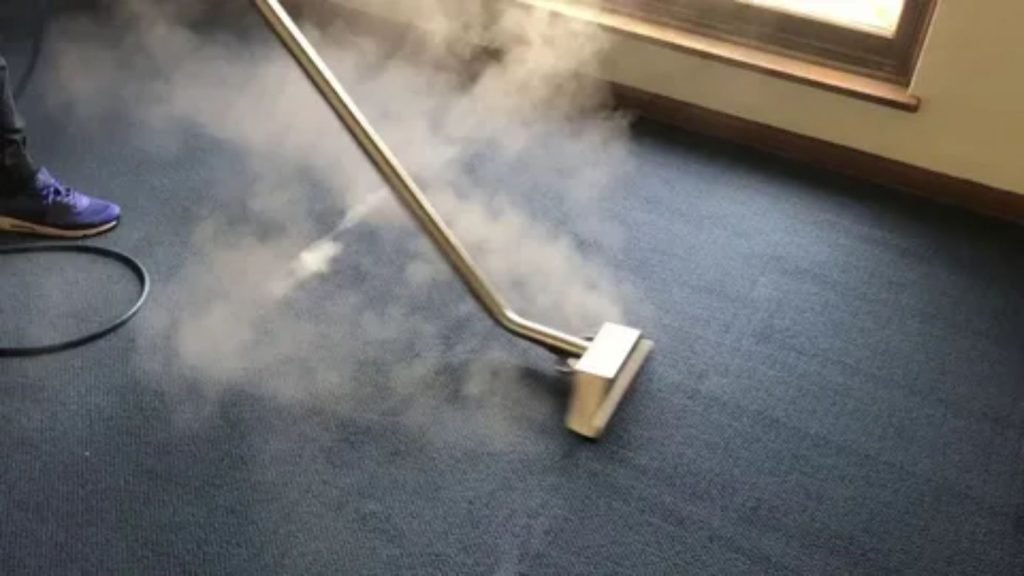
The dehumidifier removes the moisture from the air. It absorbs dampness from the air and releases fresh air. This device removes the excessive moisture and dries naturally. The dryer air makes the carpet remove moisture quickly.
Benefits of Using a Dehumidifier
The dehumidifiers are also not very costly and are quite easy to use. They are quite effective for cleaning small rooms or for cleaning carpets that are only slightly dirty. They also improve indoor air quality by extracting moisture from the room. A dehumidifier is the best partner and makes cleaning easier.
Limitations of Dehumidifiers
The dehumidifiers work slowly in vast areas. If it is very humid or the carpet is thick-pile, results may be limited. They don’t remove moisture from the inner layers of the carpet itself; therefore, the underlay may become soggy. In this situation, more robust support may be needed.
Professional Carpet Drying Services Explained
Advanced Drying Equipment
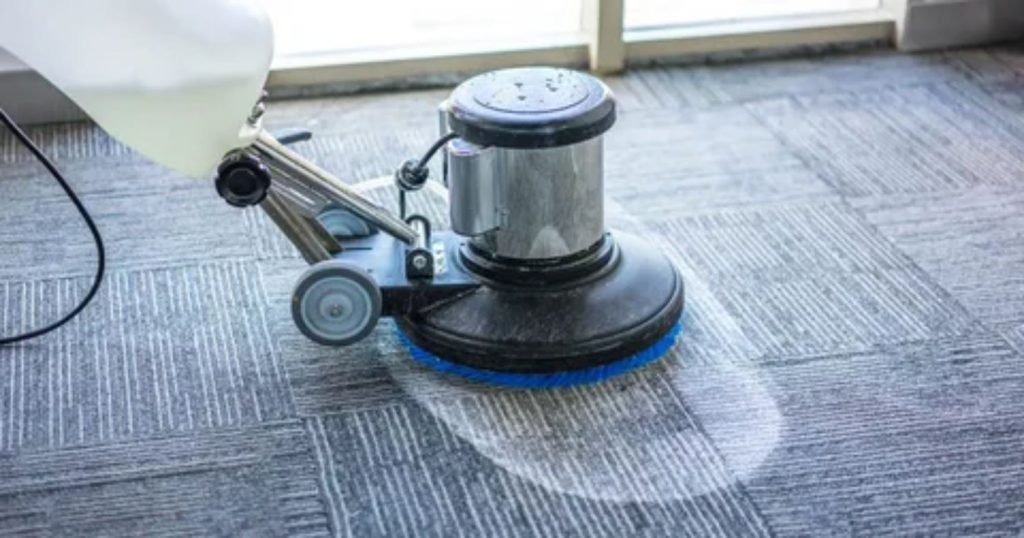
Professional services reach water hidden in carpet fibers and underlay. They cut down on the risk of mold, odors, and damage. This method is best for large homes or offices, or after heavy cleaning and flooding. It provides thorough and reliable results.
Benefits of Professional Drying
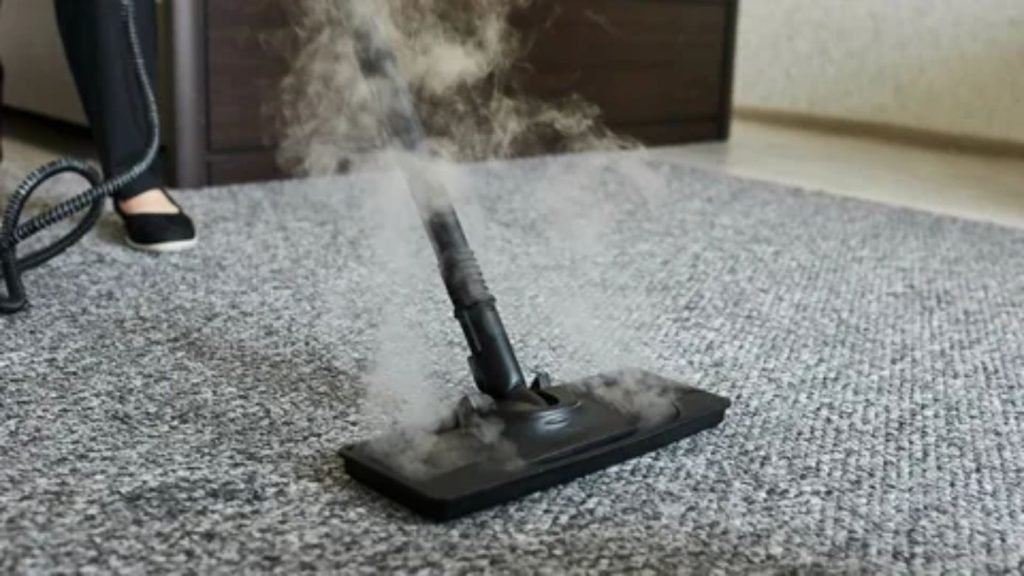
Technicians employ heavy equipment such as industrial fans, heaters, and moisture extractors. They are much more heavy-duty than household equipment. They don’t merely dry out the top—they extract moisture from the inside fast and efficiently
Limitations of Professional Drying
The largest negative factor is the cost. Professional treatment is more expensive than a dehumidifier. You also need to schedule an appointment, which may not always be more convenient than pulling out the dehumidifier.
Comparing Dehumidifier vs Professional Drying
Speed of Drying
A dehumidifier is appropriate for gradual drying. It removes moisture from the air and accelerates natural evaporation. For mild dampness or mild humidity, it works very well, although it might take days or several hours.
Moreover,
Professional drying speed is very fast. Experts use high-capacity dehumidifiers and water removal tools. Sisal Carpets can be dried by professionals in just a few hours after heavy water damage. While the damage is vast, the difference in this situation is extensive.
- Dehumidifiers are slow-working and best suited for temperate weather.
- Commercial drying is always much faster when carpets are immersed or weather conditions are very humid.
Cost Considerations
A dehumidifier has an initial cost. Once bought, it can be reused daily for regular maintenance and minor spills. It is cost-effective in the long run.
Professional drying has service charges. Costs are adjusted according to the work size and extent of damage. Even though it’s expensive, it prevents fungal growth and saves you money in the long term.
- One should consider this investment once and use it many times.
- Professional services cost more per visit but give better and quicker results.
Best Situations for Each Method
Use a dehumidifier for minor cleaning, moderate humidity, or normal dampness. It’s convenient for small areas and routine maintenance.
- Call experts when carpets are wet, following flooding, or when humidity is excessive.
Tips to Speed Up Carpet Drying in Humid Weather
Here are some tips and tricks to speed up carpet drying in humid weather.
- Ventilation: Open the windows for fresh air circulation if outside air is not too damp. Fresh air helps things to dry quickly.
- On fans: Utilize stand or ceiling fans to circulate air over the carpet surface.
- Do not walk on carpet until it is dry. This avoids dirt accumulation and wear.
- Clean with a vacuum: Once dry, vacuum to eliminate dust and to restore carpet fibers.
These simple methods, using a dehumidifier or expert cleaning, reduce drying time and restore carpet quality.
Final Verdict – Which is the Best Dehumidifier vs Professional Drying?
Dehumidifier;
- A dehumidifier is ideal for affordable, small-scale projects. It’s reusable, convenient to operate, and ideal for daily upkeep or mild dampness.
Professional drying;
- Professional drying is unbeatable in terms of speed, penetration, and safety. Professional drying is better able to deal with heavy humidity, deep cleaning, and water damage than a single device.
The ideal solution is usually a combination strategy. Utilize a dehumidifier as a standard drying procedure, but for deep cleanings, flooding, or excessive humidity, turn to professional assistance. This equilibrium promotes healthy indoor air, extended-lasting carpets, and a peaceful mind.
Conclusion
At last,
The best drying method is essential for carpet health. Moisture makes the drying process too difficult. It avoids mold, stench, and permanent damage. Consider your case before selecting. To achieve sure-shot results, it would be best for you to hire expert carpet drying services. They maintain your carpets clean, fresh, and safe, no matter how bad the weather gets. In this informative blog, you’ll find all the details about the Dehumidifier vs Professional Drying. Don’t forget to share our blog with family and friends who are worried about carpet cleaning in humid weather.